


Osteoarthritis is a degenerative disease of the cartilage tissue that can affect the joints of the vertebrae and all bones of the skeleton.The humerus (HJ) is the largest and most stressed bony joint.Therefore, coxarthrosis (deforming arthrosis of the hip joint) is a very common cause of disability in patients over 50 years of age.
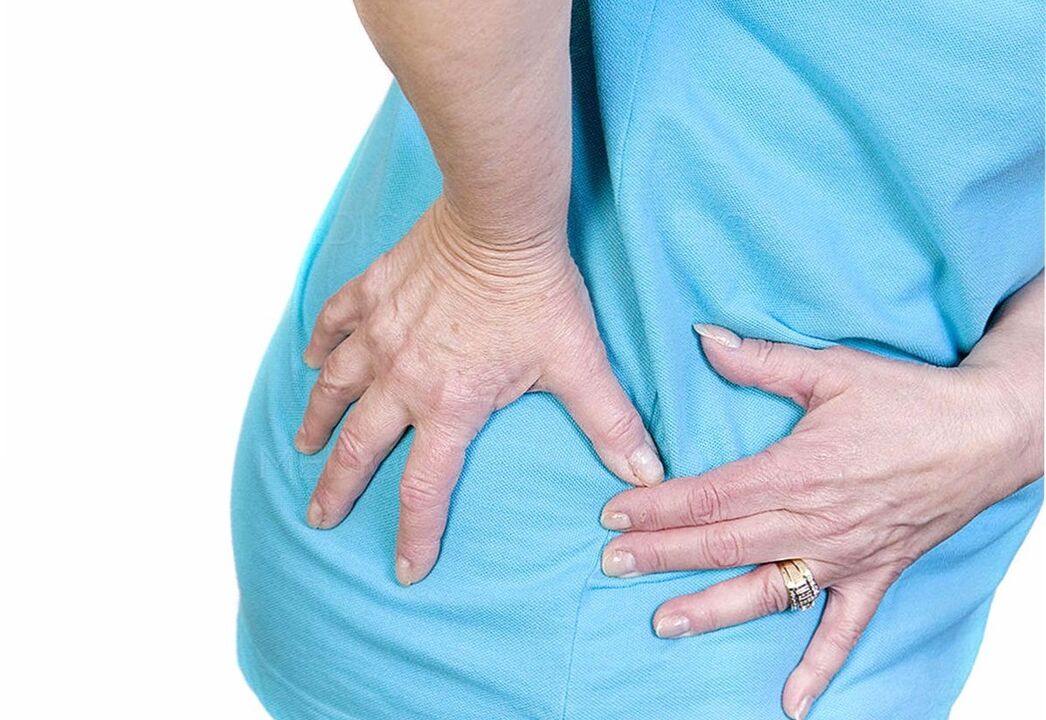
Coxarthrosis (arthrosis of the hip joint): symptoms
reason
The causes of coxarthrosis are different.This pathology can lead to:
- Age-related dystrophic changes in cartilage.
- Continuous physical activity among athletes and bearing heavy loads for several years.
- Congenital dysplasia.
- TJ's injuries.
- Necrosis of the femoral head (Perthes disease).
The head of the femur, covered with elastic cartilage, is located in the acetabulum of the pelvic bones.
There are unilateral lesions (when the disease affects one joint) and bilateral lesions - when both articular surfaces of the hips are affected.
Symptoms of arthrosis of the hip joint
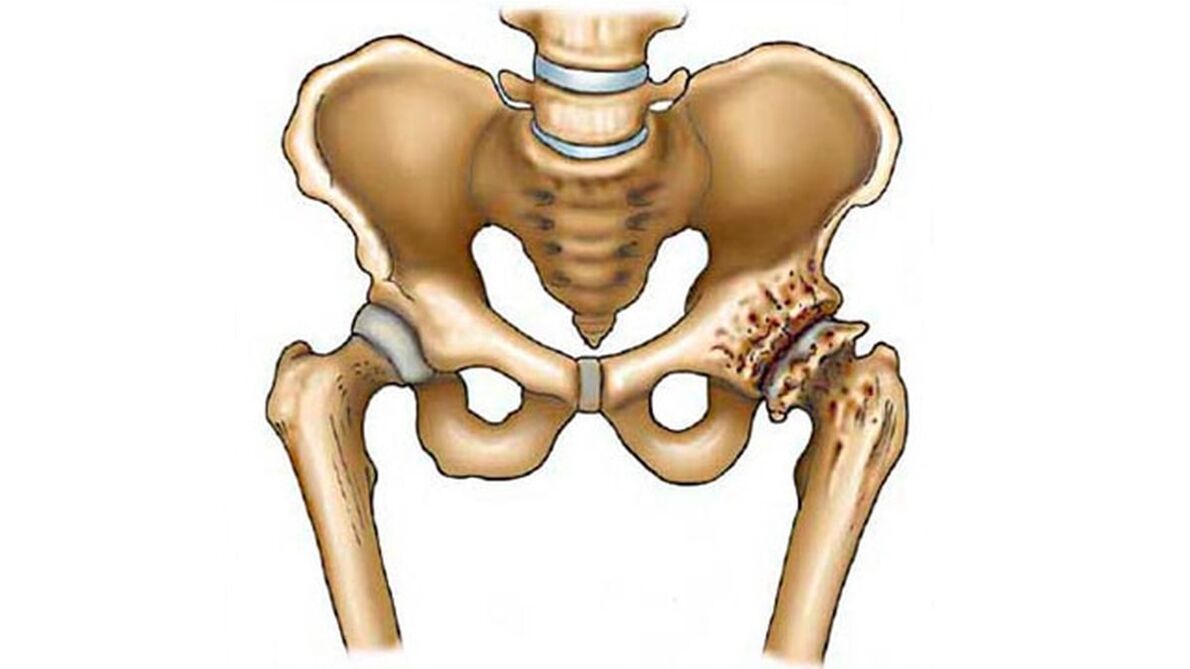
When diagnosed, the following symptoms of hip arthrosis are observed:
- Thinning of the cartilage, it becomes dry and rough.
- Thickening of the lower bone, its growth on the sides.
- Fibrotization and inflammation of the joint capsule.
- The appearance of inflammatory exudate in the capsule.
- Joint stiffness, the appearance of contractures.
Externally, these changes are manifested by the following symptoms:
- Joint pain, radiating to hip, groin and knee.
- Initial pain symptom (in the morning) that goes away after warming up.
- A stiff, unsteady, limp gait.
- By shortening the leg on the affected side (the reason for this is the contracture).
- Weakening and atrophy of the femoral muscle.
- A crack in the knuckles.
Stages of the disease
Based on the signs and symptoms, three stages of the disease can be distinguished:
First
- Discomfort and pain, which usually subside with rest.
- Absence of external symptoms - lameness, stiffness, atrophy.
Such signs do not particularly alarm patients, and few people pay attention to episodic pain, much less begin to treat it.
But precisely at the initial stage, arthrosis of the hip joint is still a reversible disease.
Second degree
- Painful symptoms become more intense and may persist even at rest.
- The functional characteristics of the hip joint are reduced:
- limitations in hip abduction and internal rotation occur
- lameness is observed
- X-rays show:
- marginal osteophytes;
- deformation of the head and change of its contour;
- joint space reduction.
The third stage
- The pain becomes constant and even the most excruciating night pain begins.
- The patient is forced to lean on a cane.
- There is a sharp limitation of movements and atrophy of the gluteal, thigh and calf muscles.
- There is marked leg shortening and lameness.
- Due to overcrowded osteophytes, the joint space practically disappears, fusion and complete loss of function of the hip joint occurs.
It happens that the first attack occurs at a fairly young age - in the early forties.A person is most likely to forget about it and remember it already at the age of 50-60, when deformations in the joints become significant, affecting the quality of life.
Diagnosing
X-ray and functional diagnostics are done.The orthopedist not only deciphers the image, but also rotates, bends the femur in all directions and studies the symptoms that appear while walking.
However, increasingly, if a patient is suspected of having coxarthrosis of the hip joint, leading specialists are referred for diagnosis using magnetic resonance imaging (MRI).The explanation for this is the absolute safety and high information content of the procedure.It is the MRI examination that makes it possible to detect at an early stage the smallest changes in the hip joint, which contributes to the development of more effective treatment tactics.
Treatment of coxarthrosis of the hip joint
Treatment is carried out according to the principle "the sooner the better".
Early coxarthrosis can be treated with:
- Chondroprotectors.
- Light physical therapy - swimming, gymnastics, walking and cycling.
- Regulation of physical loads allowed on joints.
- Weight correction (below).
- Physiotherapy treatment
- Extraction procedures.
- Massage sessions.
- Compresses in the area of pain.
Painful symptoms can be relieved with NSAIDs.
Annual sanatorium treatment is also very effective.
Pain-relieving intra-articular corticosteroid injections may be used to treat more intense pain in the later stages.
Treatment of coxarthrosis at a late stage is very difficult due to the complete obliteration of the hip joint.Chondroprotectors in this case are absolutely useless.
All kinds of external means in the form of ointments and gels can relieve muscle spasms and pains, but, of course, will not affect the condition of the immobilized diseased joint in any way.Therefore, you should have a reasonable approach to all kinds of advertising that ensures that by rubbing the sore spot with oil, you can soon forget about the disease.
Hip replacement
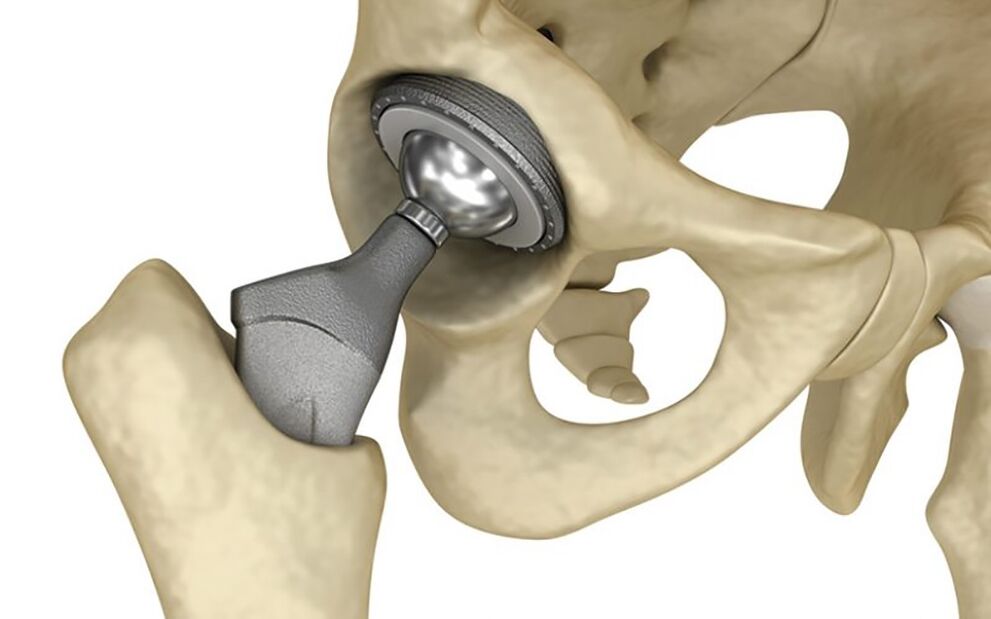
The only option for complete restoration of the hip joint in the third stage of coxarthrosis is surgery - endoprosthetics (arthroplasty) of the hip joint.
The endoprosthesis consists of two components: a head and a cup.
This operation is not easy:
- After surgery, a long period of rehabilitation is required.
- Joint healing is painful (pain may persist for a year).
- You will need to walk for some time with the help of a walker or using a cane as support.